

How Much Does It Cost to Live in Bulgaria for One Month in 2023? — A Breakdown of Living Expenses in the Country
A year has passed since the article was published Cost of Living in Bulgaria in 2022. Prices have changed since then. Whether you’re planning to move to Bulgaria permanently or are simply interested in the country, a natural question arises: what is the cost of living in Bulgaria? In this article, I’ve compiled the most up-to-date information for 2023 and use my personal experience to show how much we spend each month living in Bulgaria. I’ll also share some tips on how to save money. Plus, we’ll compare these expenses with those from 2022 (the prices in parentheses are last year’s prices).




Cost of Living in Bulgaria: Housing Expenses
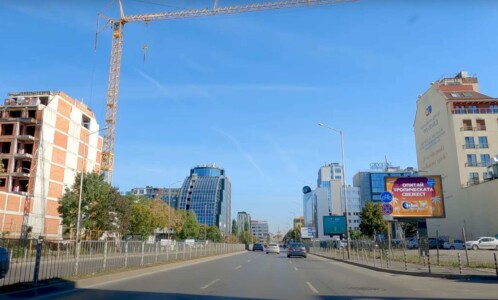
The most important part of the budget is rent and utilities. Rent varies by city and neighborhood. In Sofia, rent for a one-bedroom apartment starts at €200 (€200), for a two-bedroom apartment at €250 (€250), and for a three-bedroom apartment at €350 (€300) per month.

In Varna, rental prices for a one-bedroom apartment start at 125 euros, although you might find options for as low as 100 euros—but these will be in outlying neighborhoods, and such apartments get snapped up quickly. Rental prices for a two-bedroom apartment start at 175 euros, and for a three-bedroom apartment, they also start at 175 euros.
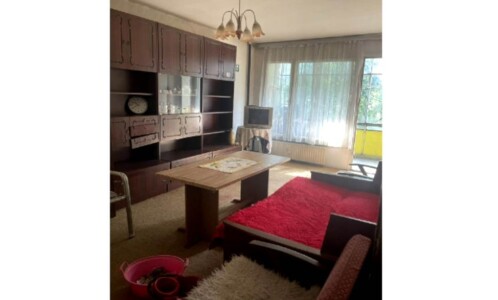
In Sofia, we found a one-bedroom apartment in the Reduta neighborhood for 180 euros.

And the price of such a two-bedroom apartment in the Slatina neighborhood is 255 euros.

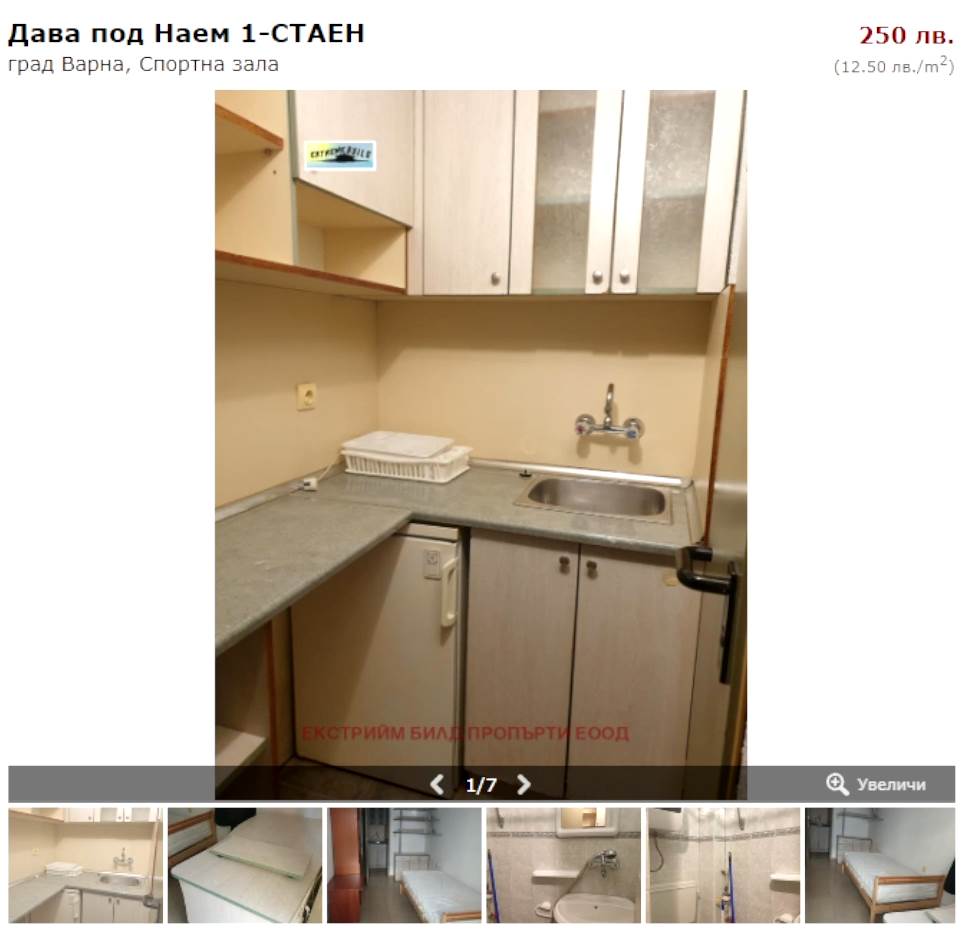
In Varna, the price of a one-bedroom apartment like this in the decent Sportna Zala neighborhood is 128 euros.
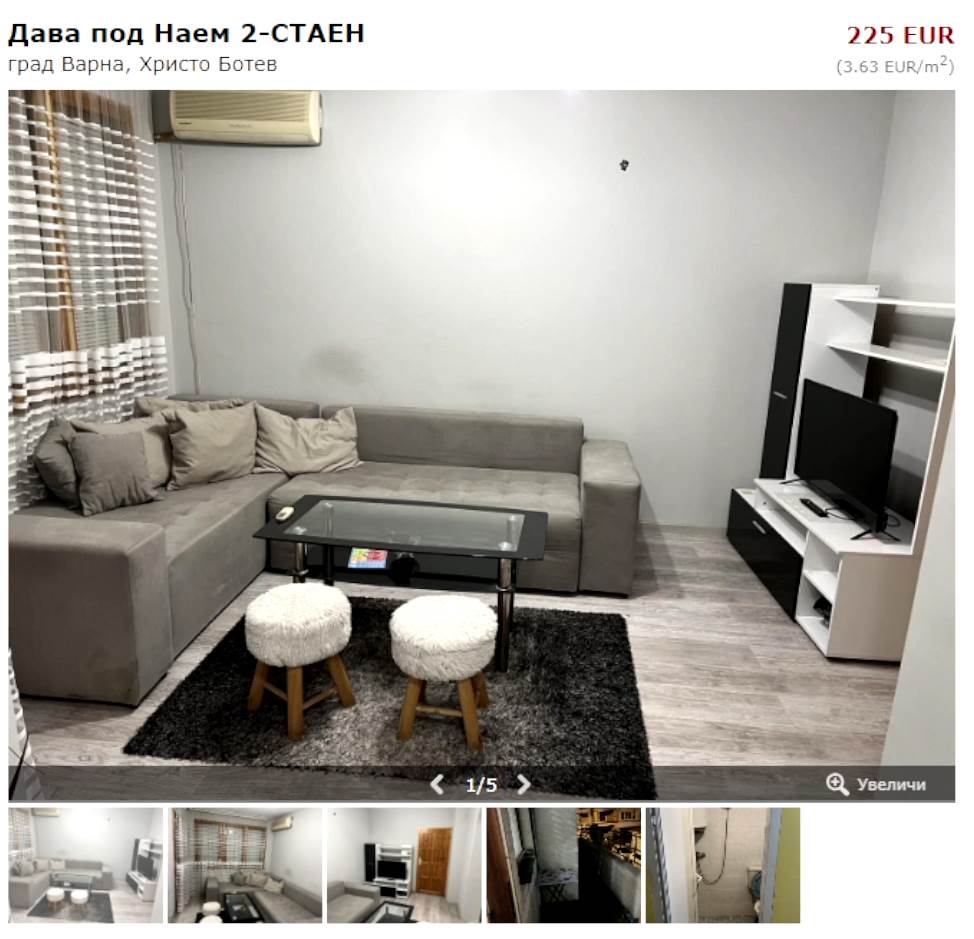
Here's a 2-room apartment for 225 euros.
Features of Renting a Home in Bulgaria
These are prices for long-term housing rentals. In Bulgaria, leases are typically signed for one year with automatic renewal. When signing the lease, in addition to the rent, a security deposit equal to one month’s rent is required. If you use a real estate agent, you’ll have to pay an additional fee for their services. In Sofia, this fee is usually 100% of the monthly rent; in Varna, it’s 50%. Thus, if the rent for an apartment is, for example, 300 euros, you’ll need to pay 900 euros upfront if the apartment is in Sofia, or 750 euros if it’s in Varna.
In Bulgaria, the cost of renting a home generally includes only the rent itself. Electricity, water, and the so-called "maintenance fee"—which is similar to a service charge—are paid separately.
Prices for apartments in Sofia start at 46,000 euros for a one-bedroom apartment and 65,000 euros for a two-bedroom apartment.
In Bulgaria, it’s important to keep in mind that it’s difficult to find a regular bathtub—they’re very rare. Apartments with shower stalls are more common, and even more often, there’s just a shower with a drain in the bathroom floor.
Heating is typically provided by electricity. This includes air conditioners, convection heaters, space heaters, and the like.
A Shared Apartment in Bulgaria
In January, our family of four used 450 kW of electricity, which came to about 55 euros. This was despite having a “day/night” dual-rate meter, energy-efficient light bulbs, and hardly using the space heater at all. The main electricity consumers were the water heater, microwave, electric kettle, computer, and electric space heaters for the apartment. To save electricity, you can turn on the water heater only during the nighttime rate period. If the water heater has sufficient capacity, it should last the entire day. The price per 1 kW in Bulgaria is 0.11 euros during the day and 0.07 euros at night. Utility bills in Bulgaria sometimes also include a so-called “maintenance fee,” which covers building maintenance and elevator maintenance, if applicable. The price varies depending on the property management company; generally, there is no such fee, but in our case, it amounts to 11 euros per month.

300 euros rent for an average 2-room apartment + 55 euros for electricity (450 kW) + 29 euros for water (12 m³) + 11 euros for the maintenance fee.
The total for utilities comes to: 395 euros (it was 380 euros last year).
Cost of Living in Bulgaria: Transportation Expenses
Another significant and unavoidable expense is transportation. In Bulgaria, a car is not a luxury; families often own several cars. In terms of car ownership, Bulgaria ranks higher than Romania, Hungary, Latvia, and Turkey.

Of course, you can rent a car. But that’s not exactly cost-effective, especially in the summer, when rental prices nearly double. You can buy a used car in Bulgaria quickly and inexpensively because there are no customs duties, and a large number of cars are imported into the country.

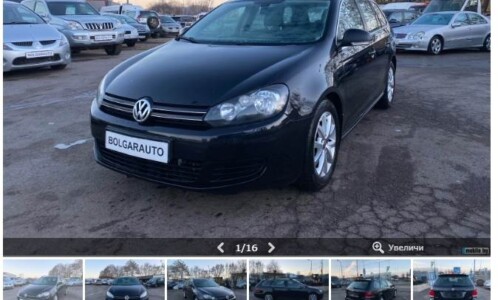
For example, a 2014 Volkswagen Golf like this one will cost 4,650 euros. And this is despite the fact that prices for used cars have risen recently.
In Bulgaria, it is mandatory to have car insurance. Prices for mandatory insurance start at 116 euros per year, depending on the vehicle and the insurer. Insurance premiums have dropped by an average of 20 euros since last year. You’ll also need to undergo a mandatory vehicle inspection, which costs 22–25 euros, and pay an annual vehicle tax (starting at 35 euros), the amount of which depends on the city of registration and the vehicle. Additionally, you must purchase a vignette to drive on roads outside of populated areas. It’s most cost-effective to buy a vignette for the entire year—44 euros.
Fuel prices in Bulgaria are currently around 1.30 euros per liter of gasoline or 1.50 euros per liter of diesel. If you use public transportation. A 30-minute ticket in Sofia costs 82 cents within the city, and a 1-hour ticket costs 1.12 euros. In Varna, a 1-hour ticket costs 1 euro. If you commute to and from work every day, that comes out to 60 euros per month per person. I don’t recommend riding without a ticket; you could get fined. A taxi ride within the central part of Varna costs about 3 euros. If you’re traveling in a group of 3–4 people, the cost of a taxi is comparable to the price of bus tickets.
And, of course, we can't do without groceries and household items. So let's go to the store.
The official annual inflation rate was 16.4%.
Expenses for food and household goods

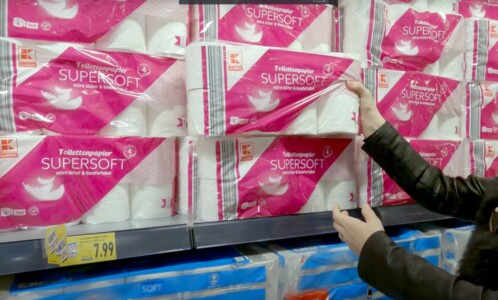
A pack of 8 rolls of toilet paper costs 4.10 euros.

Toothpaste that costs 0.97 euros. Head & Shoulders shampoo: 4.92 (3.70) euros. Savex laundry detergent for 40 washes: 10.25 (4.90) euros. A can of this cat food costs 87 (45) cents. For dogs, it’s 95 (60) cents.
In addition to these expenses, there are costs for cleaning supplies, scrub brushes, rags, and trash bags. It’s hard to calculate exactly how much we spend in a month. We spend about 20 euros on household items.
Prices for Appliances
TVs. LG 55-inch models for 430 euros. Laptops. Lenovo laptops starting at 300 euros.

The iPhone 14 Pro Max costs 1,512 euros. (Last year, the iPhone 13 Pro Max started at 1,295 euros.).
Potatoes: 82 cents (50 cents) per kilogram. Onions: 1 euro (50 cents) per kilogram. A pack of ten eggs costs 2.56 (1.20) euros. A liter of 3% milk costs 1.28 (1.05) euros. Fresh pork bacon: 7.28 (5.25) euros per 1 kg; fresh chicken: 3.33 (5.25) euros per 1 kg. Bread: 55 (65) cents. Irish butter, 250 grams: 3.58 (2.80) euros. Mixed shrimp: 5.12 (14.99) euros.
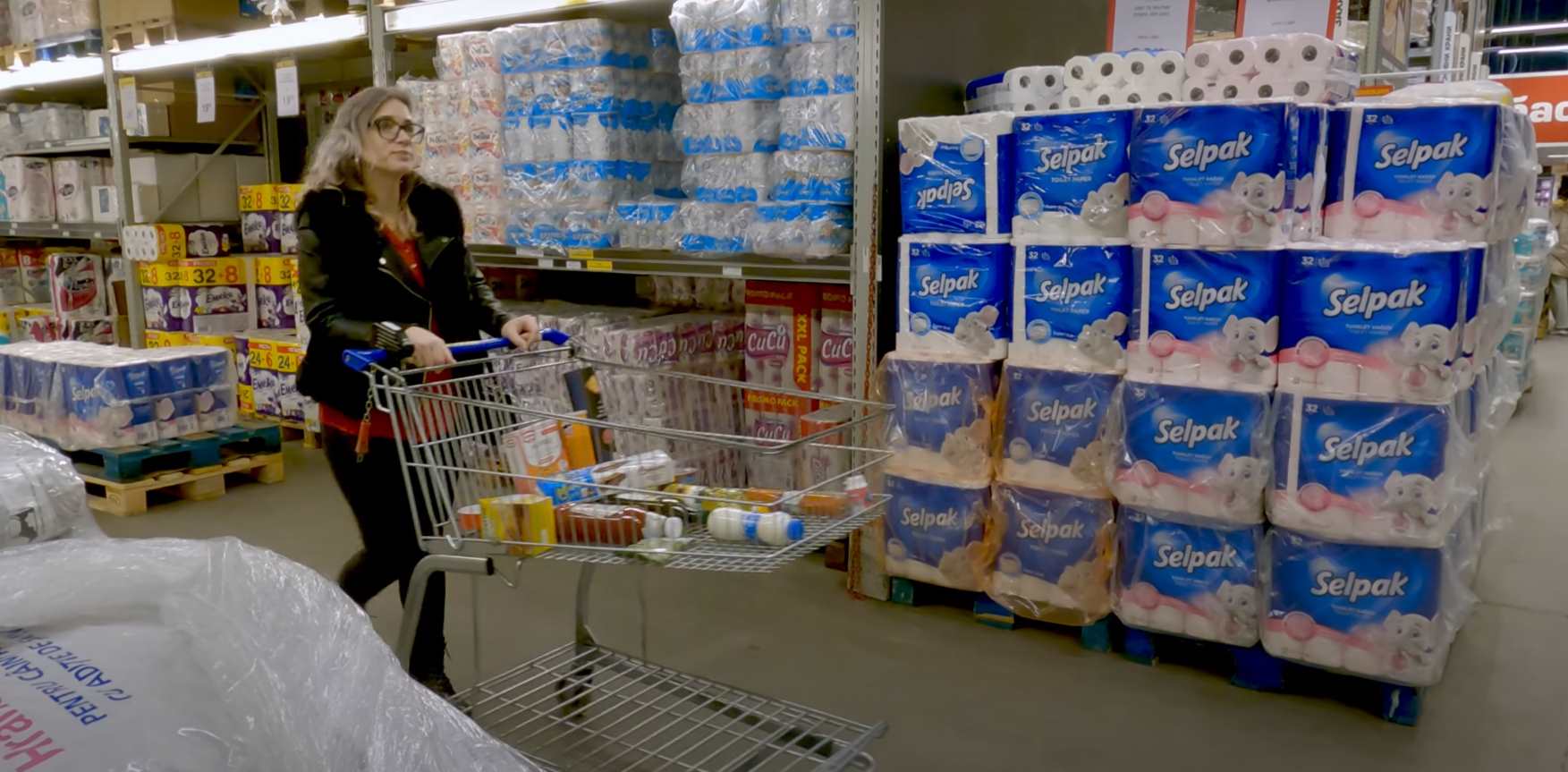
In total, our family spends 490 euros a month on food and household goods (last year it was 450).
Cost of Living in Bulgaria. Health Insurance
Another expense in Bulgaria is mandatory health insurance. The type of coverage depends on your official status in Bulgaria. If you have a residence permit, you’ll need emergency-only coverage, which is typically purchased for one year. Prices start at 82 (75) euros per year per person; the price depends on the insurance company and your age.
If you have permanent resident status or Bulgarian citizenship, then this is mandatory NHIF insurance. It covers all basic medical services, including several visits to the dentist. It is paid monthly, at a rate of 8% of your income per person, or 14.56 (13) euros for those without income. The good news is that for school-age children, the school pays for this insurance.
Prices for imported medications are lower in Bulgaria.
Mobile communications, television, and the Internet.
Cell service, TV, and internet. We pay 6.5 euros a month for 75 Mbit fiber-optic internet. The price hasn't changed in a year. Here’s a quick tip: if you’re renting an apartment, it often already comes with internet, and it’s included in the rent. If not, then you’ll need to apply to get internet service. Most importantly, look for an internet provider that will set up your service without requiring an annual contract. For example, one like ours—Bulsatcom—to avoid problems down the road.
When it comes to mobile service, one- or two-year contracts with a monthly subscription fee are popular in Bulgaria. Contract prices start at 10 euros per month per person for 1 gigabyte of data. A contract with unlimited minutes and data starts at 20 euros and also includes a very large number of minutes and megabytes for EU roaming.
However, if you miss a monthly payment under the contract, your phone number will be disconnected, and you’ll be charged late fees and penalties. The debt will grow almost exponentially. Terminating the contract is also difficult, time-consuming, and expensive. But there is a solution: prepaid SIM cards with no contract and no obligations on your part. I should warn you, though, that these prepaid SIM cards are in very short supply, and retailers aren’t exactly eager to sell them. That’s why our cost for one phone number is 5 euros per month.
Mobile service for 4 phone numbers, plus home internet and TV.
Total: 26.50 euros
Additional Expenses
Prices for men's haircuts start at 3 euros. If you go to the gym, add another 30 euros per person per month.
What is the cost of living in Bulgaria?

I gathered all my receipts from last month, and the total amount of my expenses, as I listed them, came to 990 euros for the month. Last year, that amount was 950 euros.
These are the expenses we incur for a family of four over the course of one month.
Some people may manage to spend less, while others may spend more. It all depends very much on the specific expenses of each individual and family.
However, these aren't all the expenses; I didn't include trips to cafes, school supplies, clothing costs, or various small expenses. I won't factor these in because they vary greatly from person to person. But we've calculated the main living expenses in Bulgaria.
How can you save up to 20-30% on your family budget?
First of all, chain stores run weekly sales—what they call “promotions” here. They offer discounts on products. For example, Chibo Gold coffee normally costs 12.99 BGN, but today it’s on sale for 8.99 BGN …

Second, you can get a discount card like this one; they're also available as an app, but don't forget to activate the additional discounts at the register.

Every chain store has weekly flyers featuring products with real discounts, and all this information is also available online. This way, you can actually save up to 20–30% on your family budget.
Renewal of a Residence Permit
Living in Bulgaria with a residence permit will also involve additional administrative costs. These include the annual renewal of the residence permit and obtaining an ID card. In total, these costs amount to 282 euros per person; if divided over 12 months, that comes to 24 euros per month.
Video version of the article:



 Русский
  English
  Български
  Deutsch
  Română
  Українська
  Polski
We were looking for a one-bedroom apartment to rent in Sofia. Prices start at €450, unless you’re looking for something really run-down. We managed to find a decent one for €600. All the others that were cheaper weren’t very good.
Thank you. How much would the rent or sale price start at for an 80-meter apartment in downtown Sofia?
The rent for an apartment like this in downtown Sofia ranges from 350 to 750 euros
Thanks for the helpful information 🙂