
A year has passed since the article was published How much does it cost to live in Bulgaria?. Prices have changed during this time. Whether you're planning to move to Bulgaria permanently or are simply curious about the country, the natural question arises: how much does it cost to live in Bulgaria? In this article, I've compiled the most up-to-date information for 2022 and will share, based on my personal experience, how much we spend per month living in Bulgaria. I'll also tell you how you can save money.

How much does it cost to live in Bulgaria? Housing costs
The most important part of your budget is rent, unless you own your own. Apartment rent varies by city and neighborhood.
We found this one-room apartment in Sofia for 215 euros.

And the price of such a 2-room apartment is 375 euros.

In Varna the price of such a 1-room apartment is 140 euros,

And here's a 2-room apartment in a new building for 300 euros.

In Sofia, one-bedroom apartments start at €200, two-bedroom apartments at €250, and three-bedroom apartments at €300. In Varna, one-bedroom apartments start at €125, although you can find apartments for less than €100. Two-bedroom apartments start at €150, and three-bedroom apartments at €200.
Bulgarian Real Estate Features
Renting a home in Bulgaria typically includes only the rent itself. Electricity, water, and a maintenance fee, similar to rent, are paid separately. Long-term rentals are typically signed for one year with automatic renewal. Upon signing the contract, in addition to the rent, a deposit equal to one month's rent is paid. If you use a real estate agent, you'll have to pay an additional deposit. In Sofia, this amount is 100% of the monthly rent, and in Varna, 50%. Therefore, if the rent for an apartment is 300 euros, you'll have to pay 900 euros upfront if it's in Sofia or 750 euros in Varna.

Apartment prices in Sofia currently start at €36,000 for a one-bedroom apartment and €45,000 for a two-bedroom apartment.
You can find suitable housing options on specialized websites. You can choose based on various parameters, right down to the year the house was built.
Features of communal apartments in Bulgaria
A good thing about Bulgaria, from a budget perspective, is that central heating is virtually nonexistent, and therefore there are no heating bills. Heating is typically provided by electricity, using air conditioners, convectors, heaters, and the like.
In the last month of winter, our family of four consumed 450 kW of electricity, which is about 50 euros. This is despite the fact that we have a dual-tariff "day/night" meter, energy-efficient light bulbs, and hardly ever use the heater. The main electricity consumers are the water heater, microwave, electric kettle, computer, and heating appliances. To save electricity, you can turn on the water heater only during the night tariff. If the water heater is large enough, it should last the entire day. The price per kW in Bulgaria is 0.12 cents during the day and 0.7 cents at night. The price of water in Bulgaria varies depending on the city. In Sofia, it's 1.50 euros, and in Varna, it's 1.65 euros per cubic meter. Utilities in Bulgaria sometimes also include a so-called maintenance fee, which covers building maintenance and the elevator, if any. The price varies depending on the property management company; usually, there isn't one, but in our case, it's 10 euros per month.

300 euros rent for an average 2-room apartment + 50 euros electricity (450 kW) + 20 euros water (12 m3) + 10 euros maintenance fee.
So, all together it comes to: 380 euros.
Transportation costs
The next significant expense that can't be avoided is transportation. A car in Bulgaria is primarily needed by people who live outside the city centers, but rather in suburban areas, small towns, and villages. Renting a car is an option, but it's not exactly cost-effective, especially in the summer, when rental prices almost double. Buying a used car in Bulgaria is affordable because there is no customs clearance. Insurance is mandatory, with annual insurance starting at €135.
You also need to undergo a paid mandatory vehicle inspection (20 euros) and pay an annual vehicle tax (starting from 35 euros), the amount of which depends on the city of registration and other details. A vignette is also required for driving on roads outside built-up areas. The most economical option is an annual vignette, which costs 50 euros. It's also important to keep in mind that living in the center of a large city will likely be an issue with parking, and paid parking can cost 25-50 euros per month.
Fuel prices in Bulgaria are currently around €1.25 per liter of gasoline or diesel. And if you use public transportation, a 30-minute ticket in Sofia costs 0.82 cents, while an hourly ticket costs €1.12. In Varna, an hourly ticket costs 0.50 cents. Buses run on schedule, and they generally adhere to it. You can track bus routes in real time on a special website. If you commute to and from work every day, it comes to €32 per person per month. I don't recommend traveling without a ticket; you could be fined.

A taxi within the city center costs around 2.50 euros. All taxis are equipped with meters, and the driver is required to issue a receipt after the trip. If you're traveling in a group of 3 or 4 people, the taxi fare is comparable to bus tickets.


Expenses for food and household goods
And of course, we can’t do without food and household goods.
An 8-roll pack of toilet paper costs 2 euros. Toothpaste, which can be bought for 1 euro, is also available. Shower gel is 95 cents. Head & Shoulders shampoo is 3.70 euros. Savex laundry detergent for 28 washes is 2.45 euros. If you have pets, this is an additional expense. A can of this cat food costs 45 cents. For dogs, it's 60 cents.
In addition to these expenses, we also need cleaning products, sponges, rags, and trash bags. It's impossible to calculate exactly how much we spend per month. We spend approximately 20 euros on household goods.
Prices for Appliances
TVs. Samsung 55 inches (610 euros).
Laptops. Lenovo with a discrete graphics card (510 euros).
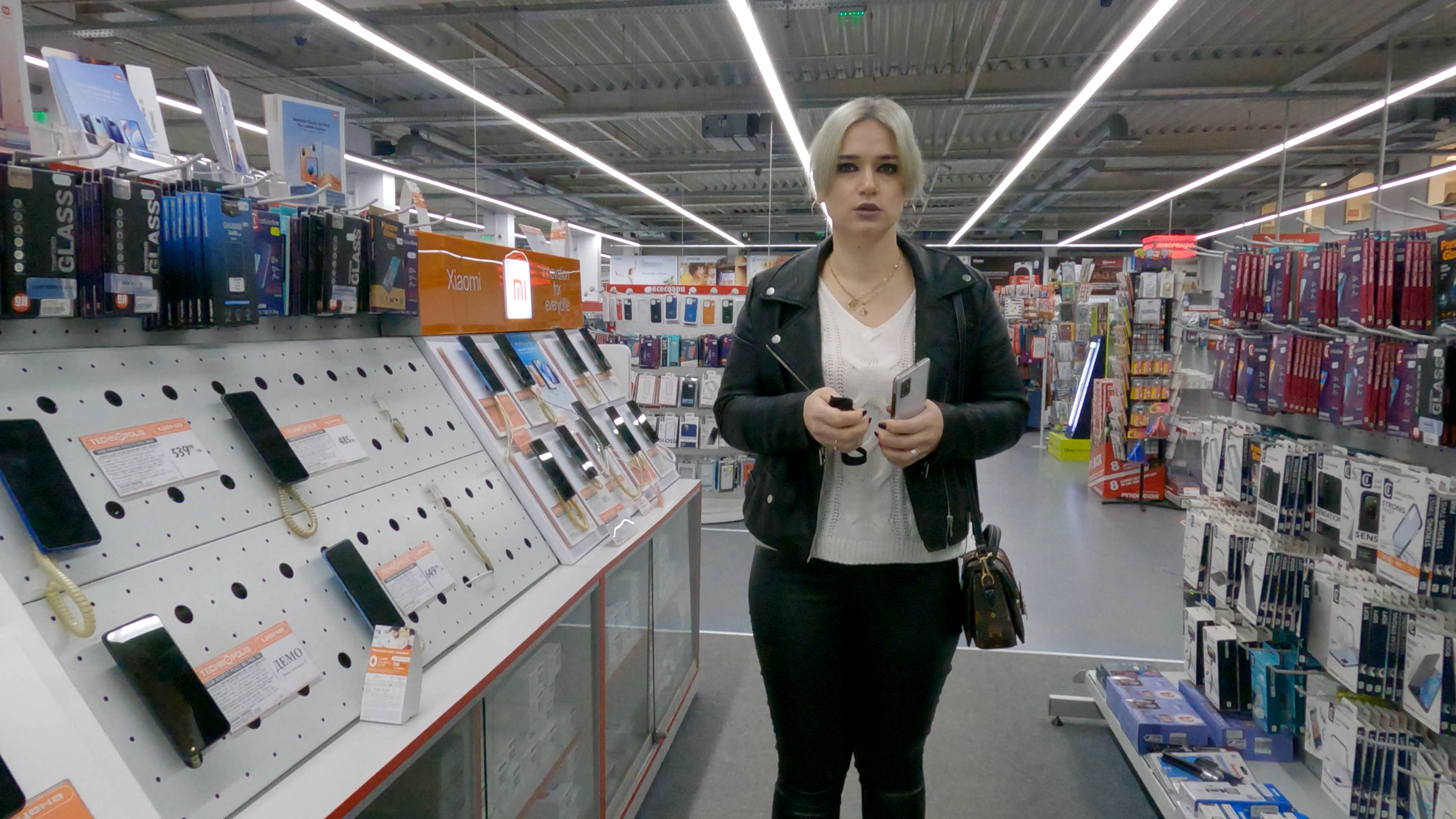
iPhone 13 Pro Max (1295 euros).

Potatoes (0.50 cents per kilogram). A kilogram of onions (0.50 cents per kilogram). A pack of ten eggs (€1.20). A liter of 3% fat milk (€1.05).
Fresh meat pork bacon (5.25 euros per 1 kg), fresh chicken (5.25 euros per 1 kg).
Bread (65 cents). Irish butter 250 grams (2.80 euros).
Shrimp in this wooden packaging (14.99 euros)
In total, our family spends 450 euros per month on food.

There is a chain of grocery stores in Bulgaria called "Berezka" that sells products supposedly from the former USSR, although there are also goods made in Germany.


Medical insurance
Another expense in Bulgaria is mandatory health insurance. The type of insurance depends on your legal status in Bulgaria. If you have a residence permit, it will only cover emergency situations and is usually purchased for one year. The cost starts at €75 per year per person, depending on the insurer and your age.

If you have permanent residency or Bulgarian citizenship, then you have mandatory NZOK insurance. It covers all essential medical services, even a few dental visits. It's paid monthly, 13 euros for those without any income, or 81 TP3T of income per person. The good news is that if children attend school, this insurance is paid for by the school.
And the prices for imported medicines in Bulgaria are cheaper.
(The cost of a PCR test starts from 40 euros).
Internet and television in Bulgaria.
We don't have cable TV at home. We pay €6.50 per month for internet for 75 Mbps fiber optic internet. A quick tip: if you rent an apartment, it's often already included in the rent. If not, you'll need to apply for internet connection. Typically, the internet connection itself is free. Most importantly, look for an internet provider that will connect you to the internet without an annual contract. For example, like ours, Bulsatcom, to avoid problems later. Cable TV prices start at €5 for the most basic channel package, but it's almost pointless, as Russian-language channels will be minimal at best. However, if television is important to you, IPTV is your best option.
Mobile communications in Bulgaria
When it comes to mobile communications, annual or biennial contracts with monthly subscriptions are popular in Bulgaria. Prices start at €12 per month per person. A contract with unlimited minutes and data starts at €20, which also includes a generous amount of minutes and data in EU roaming.

But if you miss a monthly payment under your contract, your phone number will be disconnected, and penalties and fines will accrue. The debt will grow almost exponentially. Breaking the contract is difficult, time-consuming, and expensive. But there is a solution.

These are prepaid SIM cards with no contract and no obligations. It's a cost-effective and secure option. You purchase a prepaid SIM card from a service provider, in our case Telenor. Our monthly bill for one phone is €5, which includes 1 GB of data, 500 minutes for calls within the carrier, and 50 minutes for calls to all numbers within the EU. Unused minutes and megabytes in the package don't expire; they're added to the next month if you top up your number in a "stacked" manner.
If you're short on something, you can always buy more. This way, you only pay for what you want. This SIM card is valid for one year, and each top-up extends the validity by another year. One caveat: these prepaid SIM cards are in short supply; they're hard to find in mobile phone stores, and sellers aren't particularly enthusiastic about selling them.
Mobile service for 4 phone numbers, plus home internet and TV.
Total: 26.50 euros
Additional living expenses in Bulgaria
Prices for men's haircuts in Bulgarian barbershops start from 5 euros, although we found ones for 4.
If you visit a gym, add another 30 euros per month per person.
Well, if you add up all the expenses I listed, you get this total. Some people may spend less, others more. It all depends very much on the individual and family's budget; some may skimp on food. Speaking of saving on food, every chain store has weekly brochures listing discounted items, and all this information is duplicated online. And this way, you can really save up to 20-30% of your family budget. What's typical in Bulgaria is that there's no single store with the lowest prices or the full selection of goods. One store has certain products, while another has others. For example, we shop at different stores, buying some things in one store, and then some in another. This is because some types of goods or brands are sold only in one chain, while others are sold in another.
And how much does it cost to live in Bulgaria?
This is the amount we got: 950 euros.
These are the expenses we incur for a family of four over the course of one month.
Of course, these aren't all the expenses. I haven't included things like going to cafes, school supplies, various small items, or clothing. I won't include those because they're very individual. But we've calculated the basic expenses for living in Bulgaria. here You can find out the costs in Bulgaria in 2023.
Video version of the article:






 Русский
  English
  Български
  Deutsch
  Română
  Українська
  Polski
Hi. Where do you get such apartment rental prices? We're being offered 1,000 euros for a two-bedroom apartment. What's wrong?
The prices in the article are real, based on the current prices on the Bulgarian real estate market. It's important to understand that in Bulgaria, listings typically indicate long-term rental prices, which typically mean contracts for at least one year. Furthermore, if the tenant is a refugee, the landlord will likely refuse, as they understand the tenant won't be staying there for at least a year. Therefore, for those without a residence permit, prices are automatically raised, and the increase is limited only by the realtor's imagination. In practice, the daily rental price is simply multiplied by the number of days. For example, yesterday, a realtor friend of ours found an apartment for a Ukrainian in the very center of Varna at a reasonable, reasonable price because he convinced the landlord that the client would be staying for a very long time and was solvent.
What should refugees do? First, look for housing away from the coast; there's a much wider selection and supply there now. Second, search through classified ads yourself (websites: imot.bg, olx.bg, bazar.bg). It's understandable that there will be rejections, but those who seek will find. Third, you can contact volunteers and they'll put you up for free while you continue your search for housing.
What year are you from? Housing prices are a lie. I'm in Varna and renting a place for 28 euros a night. To give people an idea, the last apartment the realtor quoted me was 800 euros a month + 1600 euros deposit + 400 euros realtor fee. When I arrived and a volunteer told me it was expensive, I didn't believe it. It's because of people like this that people go and get screwed. It's a complete lie!
You apparently don't understand that short-term rentals are much more expensive than long-term ones. See the author's response (by the way, thanks for the detailed analysis) to the previous comment.