

Top 5 Bulgarian Cities to Live in – The Best Places to Live in the Country
Hello everyone. We've been living in Bulgaria for almost 10 years. Bulgaria is one of those countries that suits almost everyone. The mild climate and fresh fruits and vegetables attract tourists almost year-round. But if you're planning to live in Bulgaria, which city should you choose?
In this article, we present the top 5 best cities to live in Bulgaria. You'll learn where it's most comfortable to live, where it's easier to find work, and where it's cheaper or more expensive. I'll also share my recommendations for each city in this ranking.
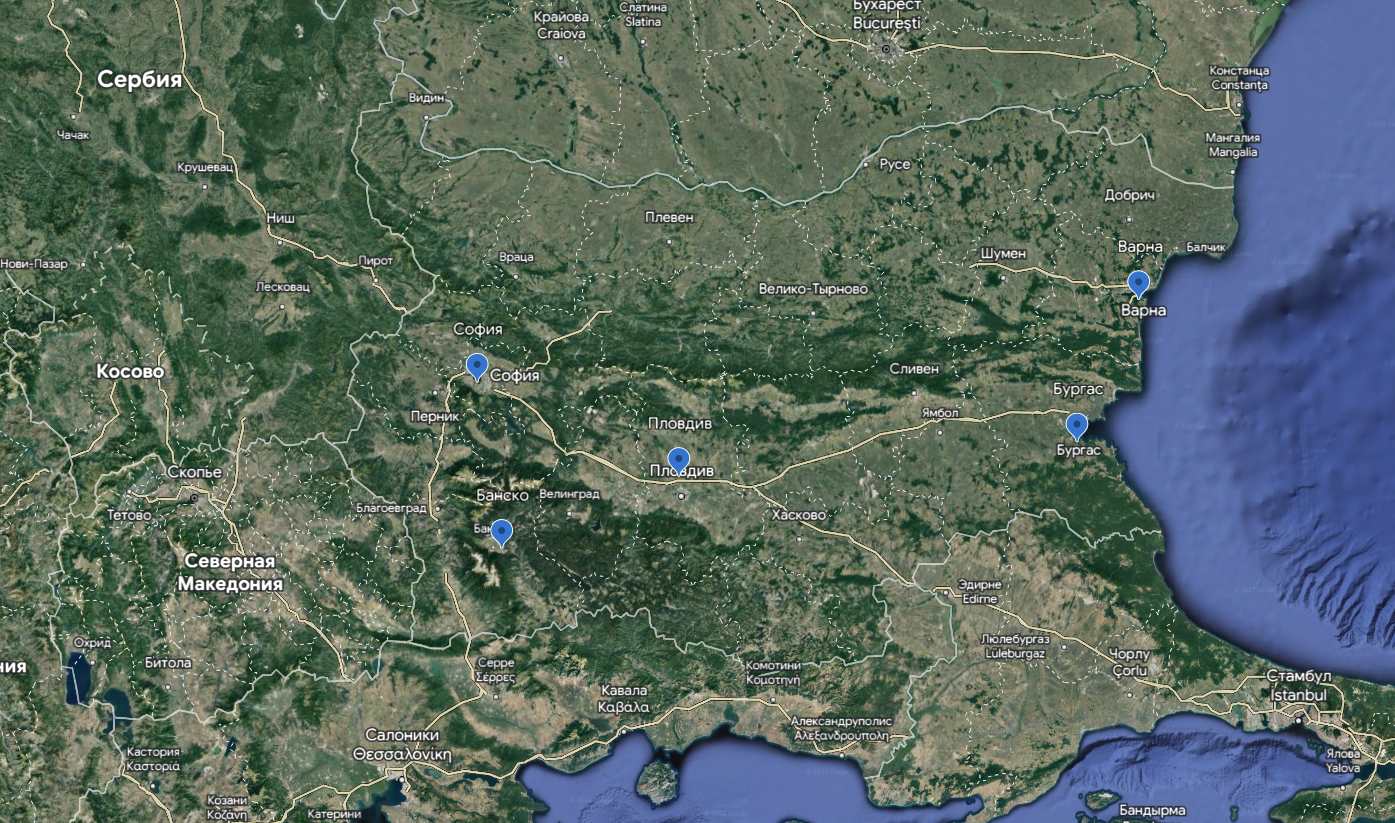
Top 5 best cities to live in Bulgaria on the map:
This article will be useful for those planning to permanently reside in Bulgaria, and for those considering changing their place of residence but haven't yet made a decision. So, let's get started.
Fifth place – Bansko

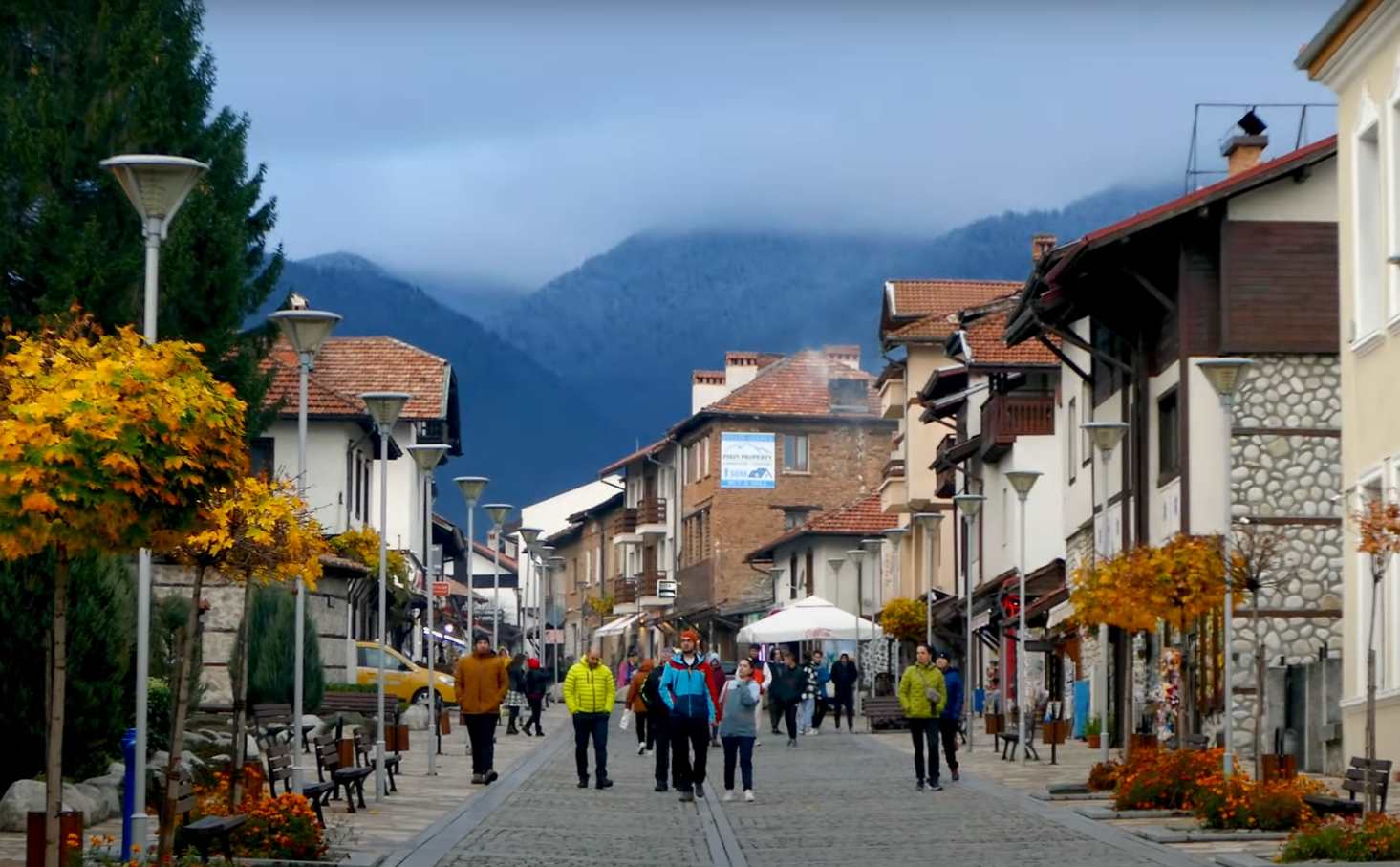
Bansko is the smallest town on our list, with a population of just 12,000. However, during the ski season, the population swells exponentially. Bansko has an international community, with many permanent residents—foreigners. The climate is continental, with mild winters and cool summers. The altitude is about a kilometer above sea level.
Bansko hotels on the map:
The Pros of Bansko

Bansko offers beautiful natural surroundings and mountain views. It boasts the most relaxed and tranquil pace of life of all the cities on the list.

Bansko has the best environmental conditions of all the cities in the ranking. For example, locals note that the tap water in Bansko is very clean and even healthy. There are virtually no traffic jams in the city, except during the winter holidays.
Bansko not long ago boasted the lowest real estate prices, with a new apartment available for under €10,000. However, the situation is rapidly changing. Now, rental and purchase prices are no longer among the highest.
Cons of Bansko
There is no sea in Bansko, but there are swimming pools with mineral water, and the Aegean Sea in Greece is a 2-hour drive away.

Another problem is finding work. It's certainly possible to find it, but it will be more difficult than all the cities on the list. The city is small, so the choice is severely limited, especially outside of the ski season, which usually lasts from mid-December to mid-April and depends on the weather.
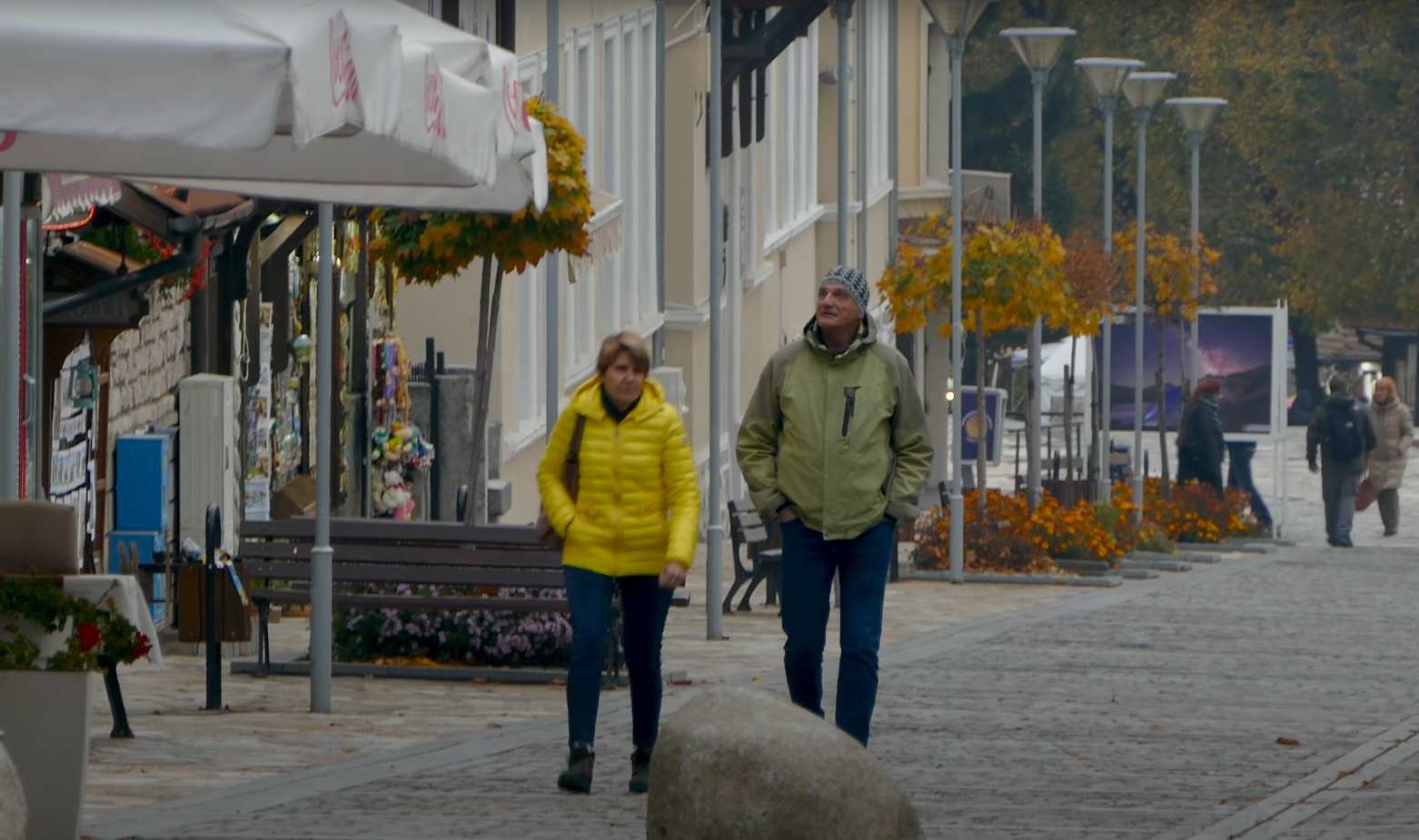
Salaries are also the lowest of all the cities on the list. There's no public transportation in Bansko, but there are taxis. Some people might also find Bansko simply boring.
Who is Bansko suitable for?
Therefore, Bansko is ideal for pensioners in good health, freelancers, and people who already have their own income.
Fourth place – Plovdiv

Plovdiv, With a population of almost 400,000, Plovdiv is an excellent alternative to Bansko.


Pros of Plovdiv
This city is called the cultural capital of Bulgaria. Numerous landmarks, museums, and theaters—in short, everything for lovers of cultural recreation.


The city has a wide selection of rental housing and new housing is being actively built.

Also, the work situation here is better than in Bansko; the city is large, there is industry and there are more opportunities to earn money.
Cons of Plovdiv
Plovdiv doesn't have a seaside location, but its location means the Black Sea is a two-and-a-half-hour drive away, and the Aegean Sea is a three-hour drive away. The city is densely built up, so parking is a major problem, especially in the city center, and it can get hot in the summer.
Who is Plovdiv suitable for?

Therefore, Plovdiv is suitable for retirees, especially those who value cultural recreation, freelancers and those who already have their own income, as well as people who do not yet have an income but are looking for opportunities to earn money.
Third place – Burgas

Burgas. The city's population is approximately 300,000. The climate is humid subtropical, with mild, generally snowless winters and cool summers.

The Pros of Burgas
Burgas is more popular among the Russian-speaking population than the previous two cities. Burgas has a relatively new infrastructure. There is a sea, salt lakes and a large marine park. Rental housing is available, but real estate prices are higher than in the previous cities.


Cons of Burgas
The city's main drawback is the Lukoil oil refinery. Officially, it causes no harm and is located outside the city, but many locals hold the opposite opinion. If it weren't for Lukoil, the city would confidently rank first.
Who is Burgas suitable for?

Therefore, we recommend Burgas to freelancers and those already earning their own income. Incidentally, Burgas is also a popular choice among retirees, especially those who value having the sea nearby.
Second place - Varna

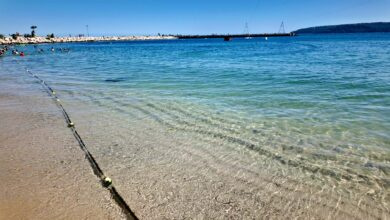
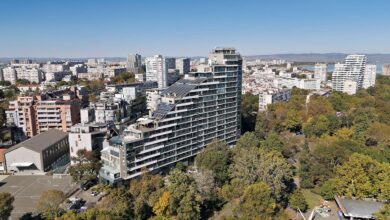
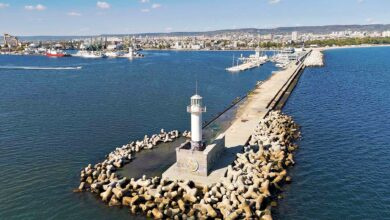
Varna. The city's population is 350,000, reaching up to a million in peak season. It's the seaside capital of Bulgaria. It boasts a mild climate, often with snowless winters and warm summers.

Pros of Varna
Varna is probably the most popular among Russian-speaking residents. The infrastructure isn't exactly in good condition, but many streets are currently being reconstructed and paving slabs are being laid. There's the sea, most a large marine park in Bulgaria.


There are plenty of rental properties, but demand is also high, with good options disappearing quickly. Real estate prices are rising, despite a significant amount of housing being built. Another difference from the previous cities is the presence of an airport with regular flights that operates year-round. It's not uncommon to buy a ticket for 20 euros and fly to any European city.

Cons of Varna
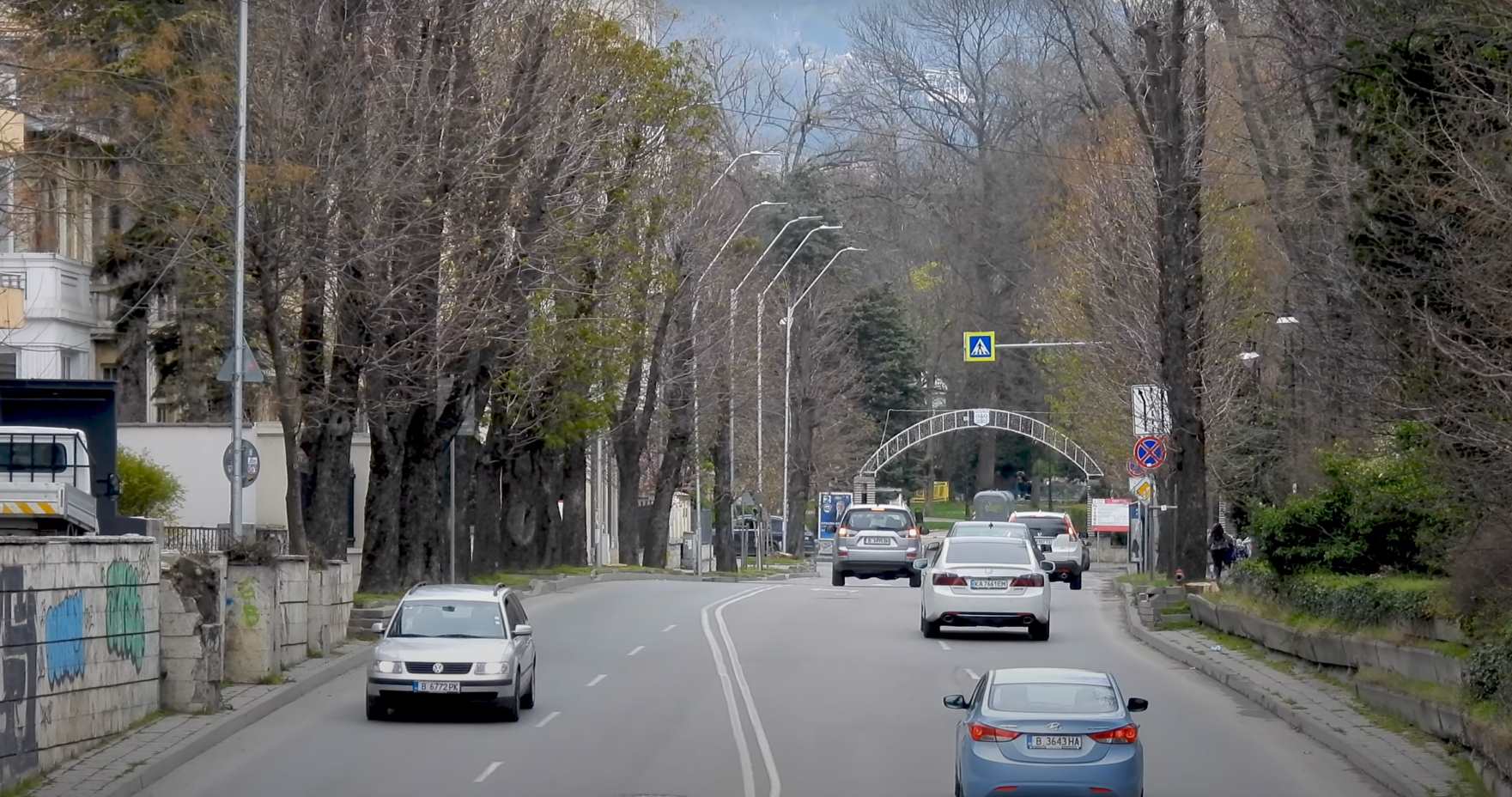
The city's downsides include a severe shortage of parking in the center and a constant increase in vehicle traffic, as Varna is one of the few cities in Bulgaria with a growing population.

Who is Varna suitable for?

Therefore, Varna is suitable for retirees, especially those who value the sea and cultural recreation, freelancers, and people who already have their own income.
First place - Sofia
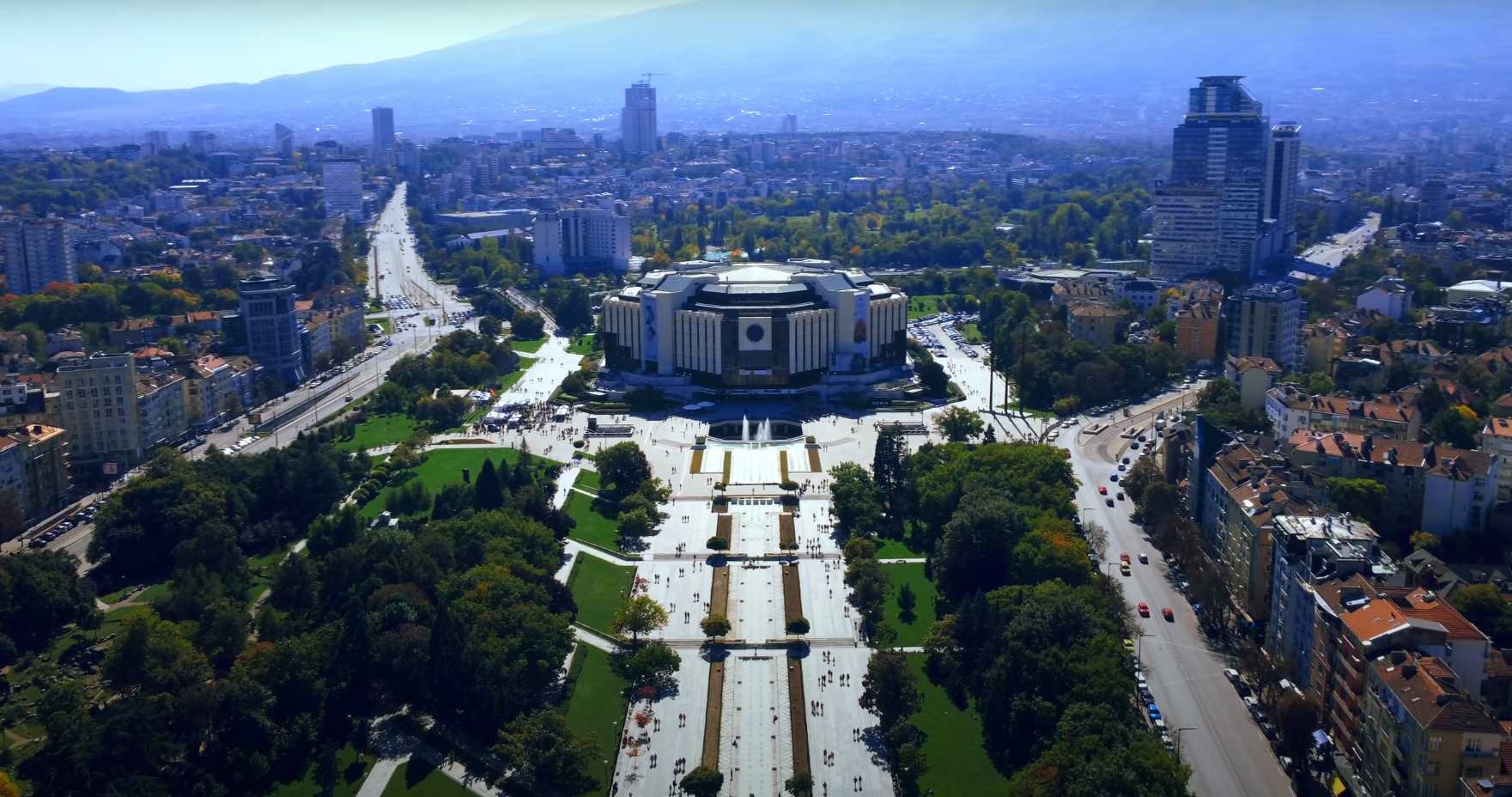
Sofia — the capital of Bulgaria. Its population is almost one million four hundred thousand. The climate is continental, with snowy winters and mild summers. There is no sea, but the Aegean Sea in Greece is a three-hour drive away.
Pros of Sofia
There's a huge selection of housing, and it's also at the highest prices in Bulgaria, both for rent and for purchase. The main advantage that people typically choose Sofia is, quite simply, the highest wages of all the cities in the ranking and the most opportunities for self-fulfillment and career advancement.



Cons of Sofia
One of the downsides of Sofia is that there is a higher risk of earthquakes here than on the Bulgarian coast.
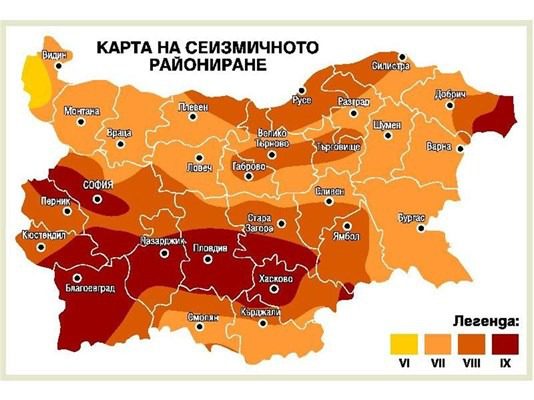
The city is located at an altitude of over half a kilometer above sea level, making it cooler both in winter and summer. Air pollution and traffic congestion are also present, compared to the previous cities.
Who is Sofia suitable for?

Therefore, Sofia is primarily suitable for people who do not yet have an income but are looking for opportunities to earn money and build a career, as well as freelancers and people who already have their own income and who enjoy megacities and the corresponding pace of life.

Top 5 Bulgarian cities on the map
In conclusion, I'd like to point out that not all immigrants have the right to work in Bulgaria. For example, if the basis for a residence permit is a representative office or a pensioner, then officially working in Bulgaria is not permitted. It's also worth noting that wages in Bulgaria are the lowest in the European Union.
Please write in the comments your opinion on the best city to live in Bulgaria and why you think so.
Video version of the article:




 Русский
  English
  Български
  Deutsch
  Română
  Українська
  Polski