

Plovdiv, Bulgaria – A City to Live in: Advantages and Features of Living
Wondering if it's good to live in the ancient city of Plovdiv? I'll try to tell you as much as I can about this city, its strengths and weaknesses, so you can decide whether it's a good place to live. Is Plovdiv right for you?.
Plovdiv is a cultural capital Bulgaria, and three years ago, it was chosen as the European Capital of Culture, along with the Italian city of Matera. Plovdiv is also the most populous city in Bulgaria. Plovdiv is an ancient city; determining its exact age is nearly impossible, but the first traces of settlement date back to 6,000 BC.
Plovdiv is a city that harmoniously blends modernity with unique architectural monuments from antiquity and the Middle Ages. While strolling through the city, you can see ruins.
Photos of Plovdiv

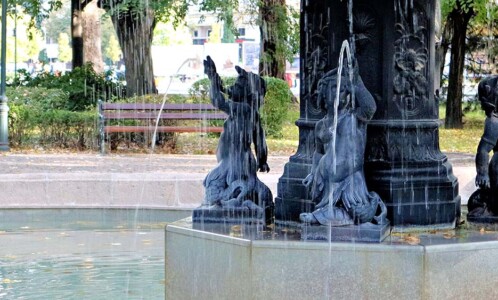
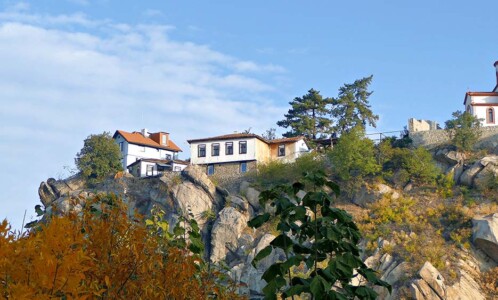
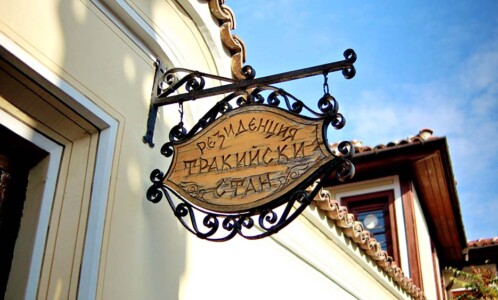
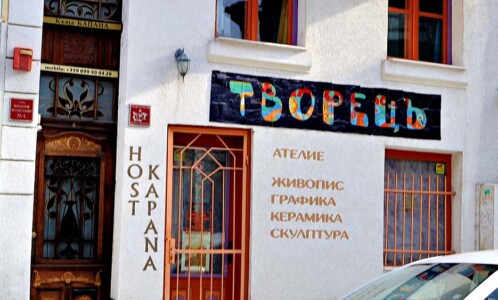
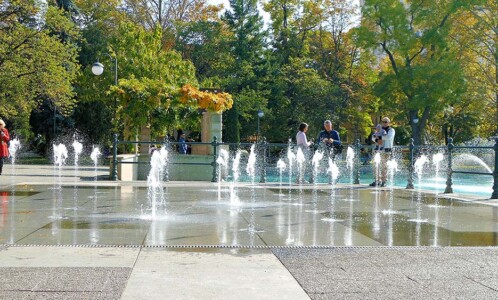
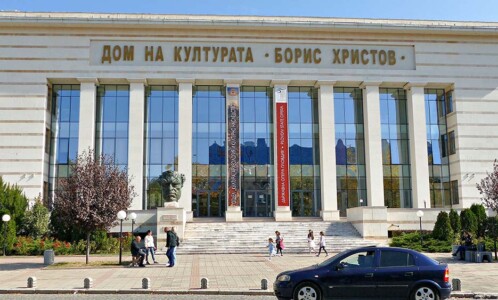
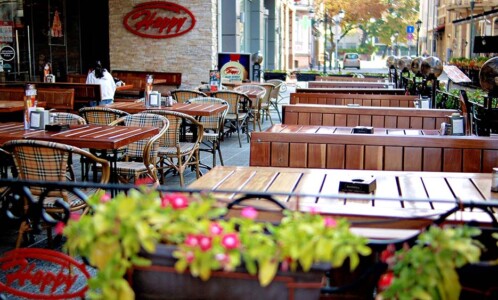
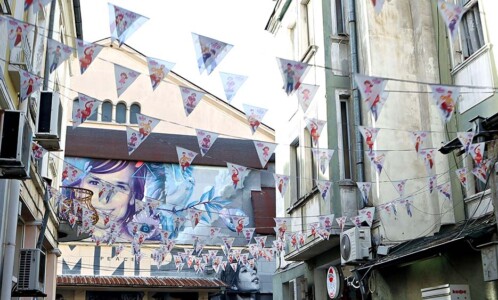
Here, beautiful historic buildings house cozy cafes and restaurants, along with numerous souvenir and antique shops. Plovdiv is the second most populous city in Bulgaria, with a population of 368,000.
Location
Situated in the center of the country, Plovdiv is known worldwide by its nickname, the City of Hills. There used to be more, but now there are only six. The rest have been used for construction.
Climate
Plovdiv's climate is characterized as transitional continental. The warmest month in Plovdiv is July, with an average temperature of 23.9 degrees Celsius. Summers are hot, moderately dry, and sunny. Plovdiv sometimes experiences very hot days. Winters are cold, with snow cover.
Transportation
Plovdiv can be reached by any means of transportation. By plane. Plovdiv has its own international airport, but very few flights arrive and depart. There are days when there are no flights. Residents and visitors to Plovdiv typically use Sofia Airport, which is an hour and a half away. By train. There is a train station. By bus. There are three bus stations in Plovdiv. Buy the cheapest bus tickets. You can do it here.
In Plovdiv, public transportation is limited to buses. Trolleybuses ceased service in 2012. A standard ticket for any city transport costs 1 lev per ride. Parking areas are equipped with taximeters that can be used to pay for parking.
The first hour of parking costs 1 lev, then 2 lev for each subsequent hour.
Plovdiv is conveniently located: the Black Sea, 250 km away, can be reached in 2.5 hours by car along the Trakia Highway. The Aegean Sea in Greece is also reachable from Plovdiv in 3 hours.
Housing
Plovdiv hotels on the map:
What about housing in Plovdiv? What are the prices? New housing is being built.
Rental prices for a one-room apartment start from 100 euros per month.

And for 102 euros we found this option.
Prices for a two-room apartment per month start from 120 euros.

For 128 euros we found this option in the very heart of Plovdiv, in the old town.

I'd like to point out that these prices are for long-term rentals. This means you need a lease for one year or more. For shorter-term rentals, many calculate the daily rental price multiplied by the number of days of rental. Consequently, the price becomes significantly higher. This is a typical apartment building in Plovdiv on the secondary market. And here's what new buildings look like. Apartment prices in Plovdiv start at €29,000. As we can see from the low prices of apartments in buildings under construction, apartments on the secondary market are more expensive.

A one-room apartment like this can be purchased for 32,900 euros.

This two-room apartment costs 42,839 euros, but it’s not in the center, but in the eastern Izgrev district.
Economy
Salaries and standard of living. According to the most recent data, the average monthly salary before taxes and fees is 1,490 leva. For comparison, in Sofia it is 2,373 leva, and in Varna it is 1,535 leva. The unemployment rate in Plovdiv is 3.21 tp3T, in Sofia 2.71 tp3T, and in Varna 1.71 tp3T.
Crime
The number of crimes against persons and property per 1,000 people in Plovdiv in 2021 was 7.5, compared to 10.4 in Sofia and 11.8 in Varna.
Medicine
The number of people per doctor in medical institutions, according to the latest data, is 191 people in Plovdiv, 184 in Sofia, and 197 in Varna.
Infrastructure
Municipal expenses per capita in Plovdiv are 1,133 leva, in Sofia 1,220 leva, and in Varna 1,148 leva. Water prices are 2.93 leva per cubic meter: 2.93 leva in Sofia and 4.54 leva in Varna.
Education
Plovdiv has nine universities, 77 schools, and 59 kindergartens, making it one of Bulgaria's leading educational centers. Many students from around the world come to study in Plovdiv. Therefore, English can be heard in shops and on the streets. Legend has it that beneath all the hills there is a hidden tunnel filled with riches.
Culture and attractions
Plovdiv offers a vast array of cultural attractions, historic buildings, theaters, and numerous museums. Many of these are among the hundred national tourist sites of Bulgaria.
Some note that Plovdiv has more attractions than Sofia. Plovdiv is one of the most beautiful cities in the Balkans, and for its picturesque historic center, it is called the city of artists. The first place among Plovdiv's attractions is the Old Plovdiv Architectural Reserve, which attracts visitors from all over the world. It encompasses the area of three hills, the site where the city was founded.
«"Glavna" is the main pedestrian area in the center of Plovdiv with many attractions and the longest pedestrian area in Europe - 1750 meters!
Three hills in the middle of a flat city – three hills worth climbing to enjoy the panorama of Plovdiv.
Plovdiv also has a water park. Of course, that's not all Plovdiv has to offer; that's a topic for another video.
For shopping lovers, Plovdiv has many shopping centers, such as: Mall Plovdiv, Mall Plovdiv, Shopping Center Hali, Mall Markovo Tere, Plovdiv Plaza Mall, Grand.
Parking is paid in almost all shopping centers. The price increases the longer you park. There are usually no free spaces, and cars are parked almost touching each other's mirrors. One mall has free parking, but there were no free spaces there either. For example, in Varna, all shopping centers have free parking, and there are plenty of free spaces.
Pros
- The city's convenient location, for example, close to the capital, the Black Sea or the Greek coast.
- There are a lot of young people, because young people go to Plovdiv to get an education.
- There is a pedestrian street for those who like to stroll around the city.
- The city has an Old Town, an art district, theaters, museums—everything for lovers of cultural recreation.
- A huge number of cultural events are held here: theatre, music, and folklore festivals that have become famous throughout Europe.
- There is a wide choice of housing and new housing is being actively built.
- There are many attractions and entertainment in the city.
- Almost all chain stores are present, which keeps food prices low.
- There is 5G coverage in the city.
Cons
- The geographical position of Plovdiv is such that it is relatively hot here in summer.
- There is a problem with parking in the city center.
- There is no sea.
Conclusions
The city is very densely built and the most densely populated in Bulgaria. It's the cultural capital of Bulgaria. It's a student center, with many young people on the streets. Another characteristic of Plovdiv: old buildings that haven't been renovated are adorned with graffiti.
The city certainly has its own atmosphere and character. And "Old Plovdiv" is an open-air architectural museum, or, you could call it, an architectural reserve. It's this reserve that attracts so many tourists. I hope you found this article helpful; please leave a comment.
Weather in Plovdiv today
PLOVDIV WEATHERVideo version of the article:


 Русский
  English
  Български
  Deutsch
  Română
  Українська
  Polski