
Moving to Bulgaria in 2026: The Real Pros and Cons of Living There
Moving to Bulgaria in 2026: All the Pros and Cons«

|
Moving to Bulgaria—it sounds wonderful. The sea, the sun, the majestic mountains. But life in any country isn’t always just about the tourist attractions. I’ve been living in Bulgaria for 12 years now, and I’ve seen firsthand what people actually face after moving here. In this article, we’ll break it all down, drawing on real-life experience. I’ll talk not only about the beautiful side of life by the sea, but also about the things that salespeople usually prefer to keep quiet about. Let's take a closer look at the real pros and cons you might encounter so that you can make the most informed decision possible. |
Pros: Why People Choose to Live in Bulgaria
Let's start with what makes you fall in love with this place at first sight—and what makes you want to pack your bags tomorrow.
1. A mild climate and unique natural surroundings
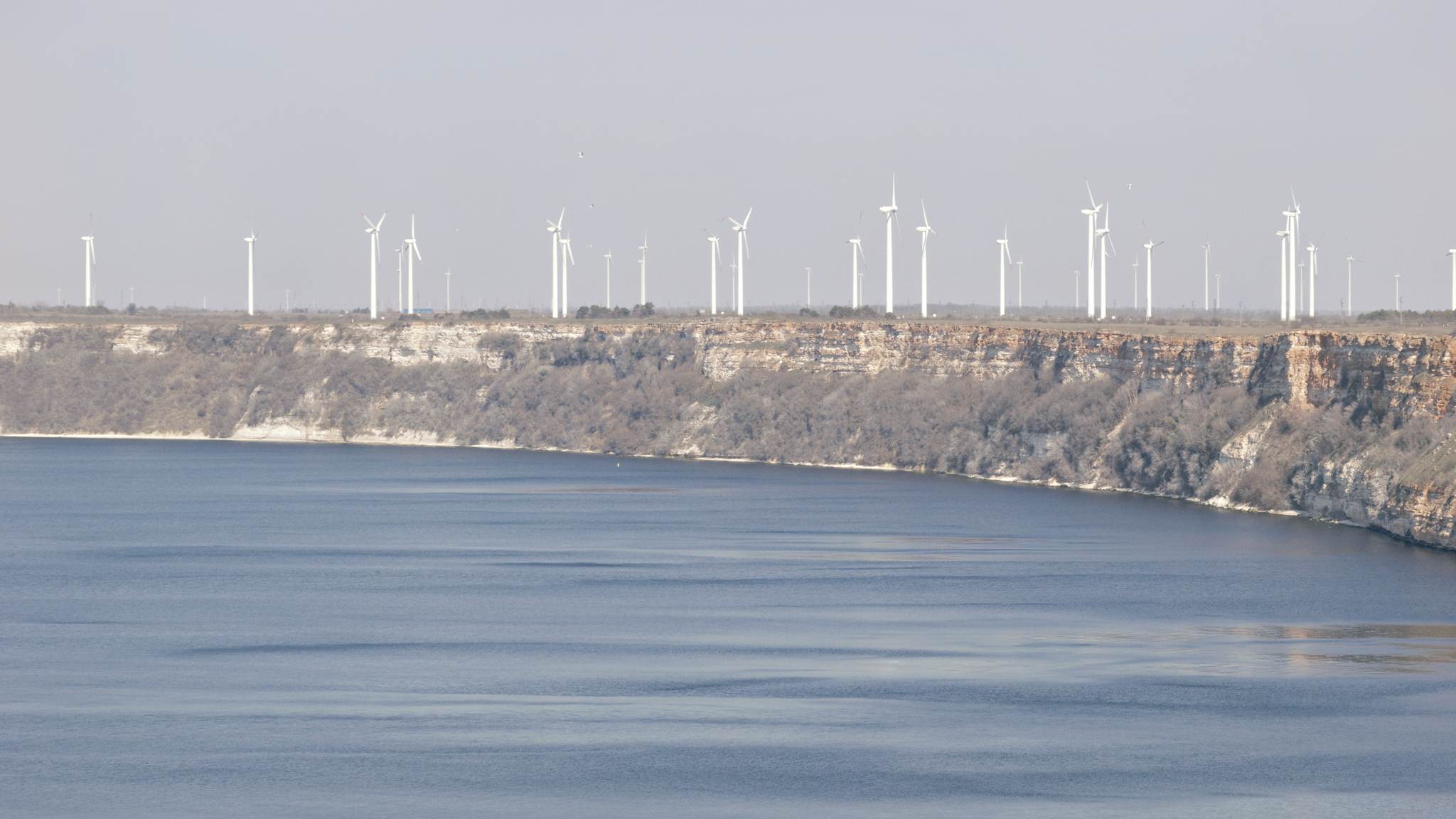
Bulgaria’s climate is one of the main advantages of living there. Winters are mild, with severe frosts being a rare occurrence (which is great for saving on heating costs!), and summers are comfortable, without sweltering heat.
-
Want more sunshine in the winter and almost no snow? Head to the coast—to Varna or Burgas.
-
Do you prefer snow? The mountains—which cover more than 40% of the country's territory—are waiting for you (for example, the Bansko ski resort).
It’s a true ecotourism paradise: 3 national parks, hundreds of protected areas, and the second-highest number of mineral springs in the world. And many of its beaches are awarded the prestigious «Blue Flag» every year for their impeccable cleanliness.
2. Clean Air and the Environment
Because there are few heavy industrial facilities here, the environment is excellent. In the Environmental Performance Index, Bulgaria consistently outperforms developed countries such as Cyprus, South Korea, and Singapore.
3. Convenient logistics and the freedom of the Schengen Area
Bulgaria has fully joined the Schengen Area! Now you can travel freely throughout Europe without visas or border delays, using any mode of transportation.
The airports in Sofia, Varna, and Burgas offer access to affordable flights. Traveling by car is a special treat:
-
To the Mediterranean Sea (Greece) — about 50 km from the border.
-
-
It's 250 km to Istanbul.
-
It's 900 km to Vienna.
4. Easy to adapt and written in clear language
Bulgarian is the only official language of the European Union written in the Cyrillic alphabet. Thanks to our shared roots, many words are intuitively understandable. The attitude toward foreigners here is very welcoming, and Bulgarians themselves have a mindset similar to ours, though they are generally more polite. You can choose a gentle transition into the Russian-speaking community by the sea or full immersion in the authentic cities of the country’s central region.
5. Low crime rate
Bulgaria is a relatively safe country, a fact confirmed not only by personal experience but also by impartial statistics. According to data from Crime Index According to the 2025 index (where a higher score indicates a more dangerous country), Bulgaria stands out as an oasis of calm compared to the rest of Western Europe.
| Country | Crime Index (Crime Index 2025) |
| Bulgaria | 35.5 |
| Spain | 37.6 |
| Germany | 38.4 |
| Canada | 45.6 |
| United Kingdom | 48.3 |
| United States | 49.2 |
| France | 55.8 |
6. Transition to the Euro and Integration
Financial stability—that’s a new advantage. The country has officially adopted the euro. No more currency conversion losses or hidden bank fees. Once you obtain a Bulgarian passport, you gain the unconditional right to live, work, do business, and study freely in absolutely any country of the European Union.
7. Ultra-high-speed Internet and unified roaming
Bulgaria is part of the European roaming zone—you can use your home data allowance throughout Europe without paying extra. But the country’s biggest draw is its incredibly fast and affordable home fiber-optic internet. It’s a true paradise for remote workers!
| Country | Internet cost per 1 Mbit/s |
| Bulgaria | 0.08$ |
| United Kingdom | 0.36$ |
| Germany | 1.04$ |
8. Medical care without waiting in line and recognized diplomas
Bulgarian degrees are recognized in most developed countries around the world, opening the door to an international career. As for medicine: unlike in Western Europe or Canada, you don’t have to wait months for a doctor’s appointment here. Basic health insurance (Zdravna Kasa) covers the essentials, and paid services at well-equipped private clinics cost significantly less than the EU average.
Arguments «AGAINST»: The Other Side of the Coin
You've already heard the arguments in favor. Now let's take off our rose-colored glasses and talk about who should definitely move DO NOT.
An important clarification: If you’re a well-off retiree, a remote IT professional, a rentier, or the owner of a remote business—Bulgaria is the perfect place for you. But if you don’t fall into any of these categories, you’re in for a harsh reality.
1. Work: Expectations and the Harsh Reality
The most common misconception: «I’ll move, find a job, and everything will work out.».
-
Right to Work: The Most Common Grounds for a Residence Permit («Retiree» or «Representative») do not grant the right Work as an employee! To work legally, you need permanent residency or citizenship. Working illegally could result in deportation or being cheated out of your wages.
-
Degrees and Language: Degrees from CIS countries are not automatically recognized here. Doctors face a lengthy process of accreditation. And finding a good job without a perfect command of Bulgarian is an absolute pipe dream.
2. The Lowest Wages in the EU
The country continues to have the lowest wages in the entire European Union. The minimum wage is €620. Bulgaria ranks first in the EU in terms of the percentage of workers earning the minimum wage—13% of the workforce here (compared to just 2.6% in the Czech Republic).
More than 800,000 people earn €500 or less. Sofia, the capital, dominates the financial landscape. In the regions, the income situation is dire.
3. The Tax Paradox: The Poor Pay More
Bulgaria has a «flat» tax system. There is no tax-free threshold—taxes are paid on the very first cent earned. As a result, the tax burden is distributed in a paradoxical way:
| Salary (Gross) | For pickup (Net) | Percentage of Withholdings |
| 500€ (Minimum order) | 387€ | They're taking 23% |
| 5000€ (High income) | 4238€ | They're taking 15% |
Earning a low salary is doubly disadvantageous. Those who actually produce goods give the government a larger share of their modest income. And don’t forget: even if you’re unemployed, the mandatory costs of renewing your residence permit and paying for insurance don’t just disappear.
4. Your Own Business: Why Do Only a Few Survive?
«Then I'll start my own business!»—that's what many people think. But most companies started by immigrants in the domestic market don't survive.
-
A small market: The population of the entire country is comparable to that of a single region in your country. Demand is low.
-
Rigid bureaucracy: In the World Bank's Ease of Paying Taxes ranking, Bulgaria came in 97th place (behind Chile and Uganda).
-
Shell Companies: Behind the impressive statistics on new business registrations lies a dark reality. Officially closing a bankrupt company is an expensive bureaucratic nightmare. That’s why people put their businesses into «dormant» status. In just one year, about 80,000 zero tax returns are filed! And that’s just the people who have €150–300 a month to pay an accountant.
Insider: Successful businesses run by immigrants in Bulgaria almost always focus on exports (IT, remote work) or serve other foreigners. You can enter the domestic market in construction (but you’ll need millions) or in the service sector (the income tax rate is only 10%, but the competition is fierce).
5. Translation Challenges and the Social Vacuum
Bulgarian seems easy only at first glance. In reality, it has nine verb tenses and a huge number of «false friends,» which lead to all sorts of awkward situations:
| A word in Bulgarian | What does it really mean? |
| To the right | Straight |
| Table | Chair |
| Mountain | Forest |
| Week | Sunday |
| Loaf | The Bride |
| Bet | Money |
Unresolved economic difficulties and a social vacuum are the two main reasons why migrants ultimately pack their bags and return home.
6. Corruption and the Shattering of Illusions
For a long time, it was believed that there was no everyday corruption in Bulgaria (schools really don’t collect money for curtains). But if you look at the global picture Corruption Perceptions Index (where 100 represents ideal transparency, as in Denmark, which scored 89 points), Bulgaria ranks at the very bottom of the European Union, trailing even neighboring Romania. It shares this ranking with Cuba and Burkina Faso.
When faced with actual police lawlessness on the roads and blatant violations of official regulations, one’s rose-colored glasses shatter into pieces. Corruption is a very serious problem in the country.
Conclusion: Who Is Bulgaria a Good Fit For?
Bulgaria is a stunningly beautiful, peaceful, and comfortable country to live in. But only if your financial matter has already been resolved outside of it. This is definitely not the kind of country you should visit with empty pockets, hoping to make easy money once you get there. Assess your abilities, skills, and sources of income realistically.
Video version of the article:

 Русский
  English
  Български
  Deutsch
  Română
  Українська
  Polski