
A Comparison of Life in Bulgaria and Poland: Prices, Housing, Transportation, and Climate—Which Is More Affordable and Comfortable?

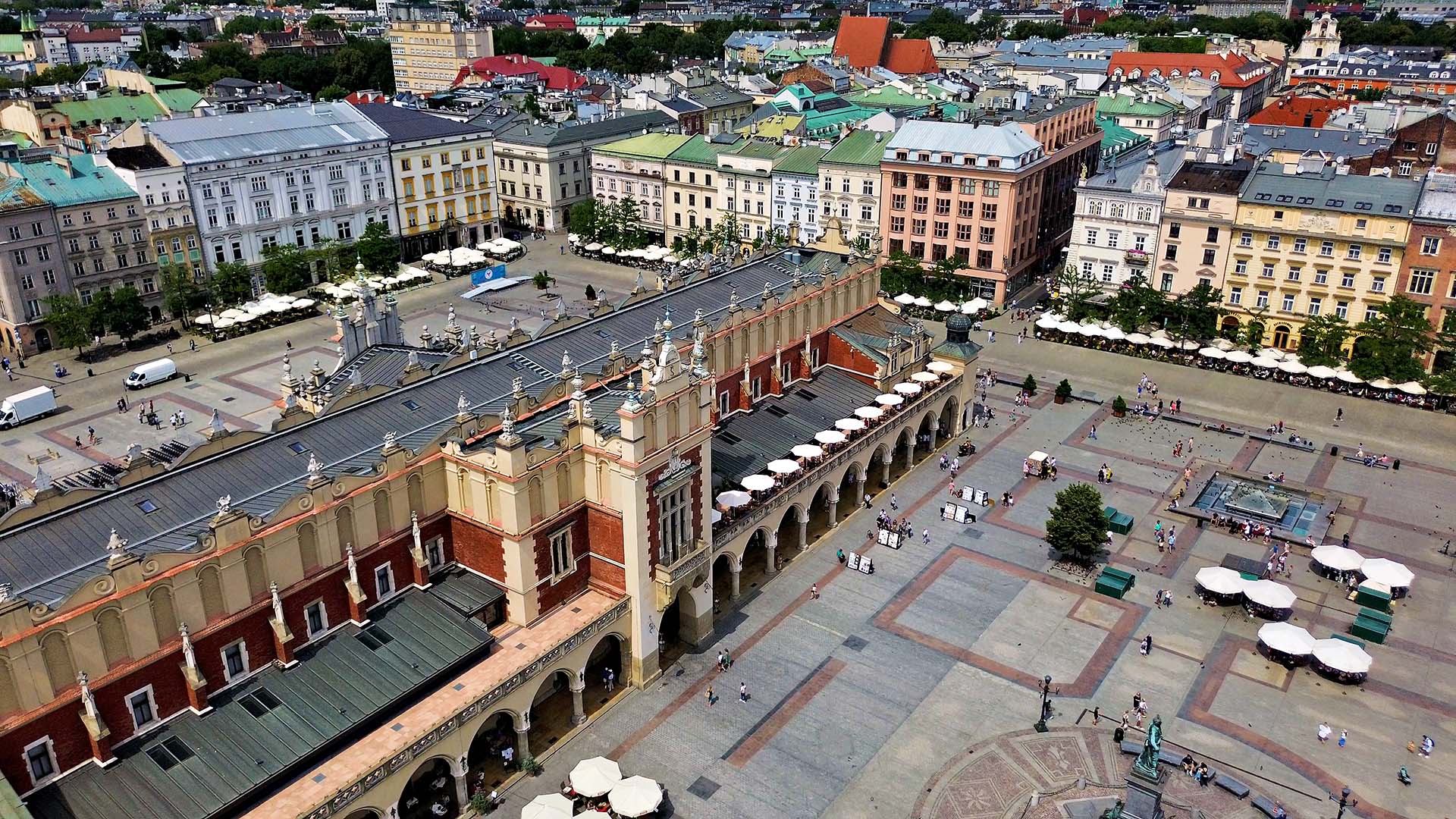
Location and climate
Bulgaria and Poland are two Eastern European countries, each with its own advantages. Bulgaria Situated in southeastern Europe and bordering the Black Sea, Poland offers a mild climate with hot summers and moderate winters. Situated in central Europe, Poland is renowned for its varied climate, ranging from cold winters to warm summers.
It is especially comfortable to live in Bulgaria Varna or Burgas, where the sea is nearby and urban infrastructure is well-developed. In Poland, such cities include Krakow and Wroclaw, which offer not only cultural richness but also convenient locations for travelers to Europe.
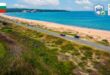
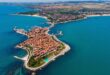
Photos of Bulgaria and Poland
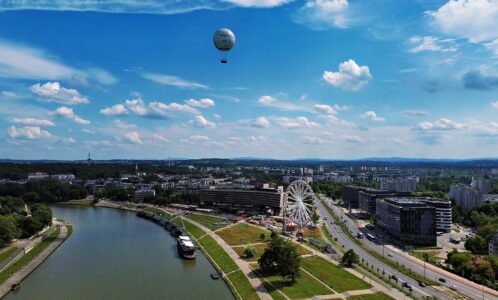
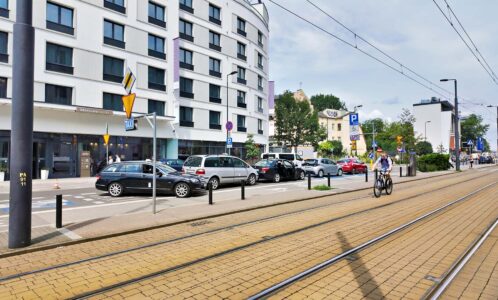
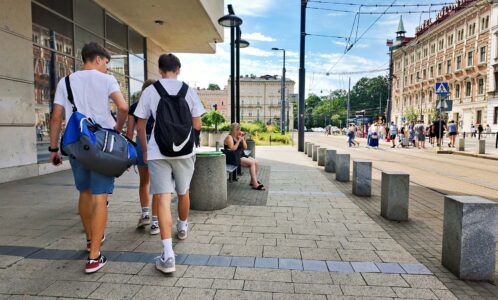

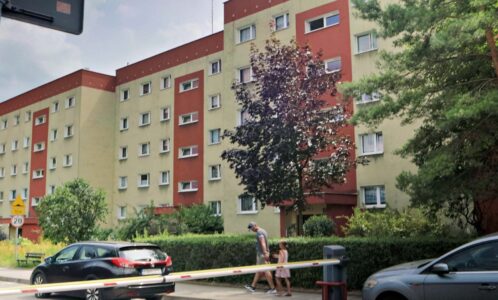
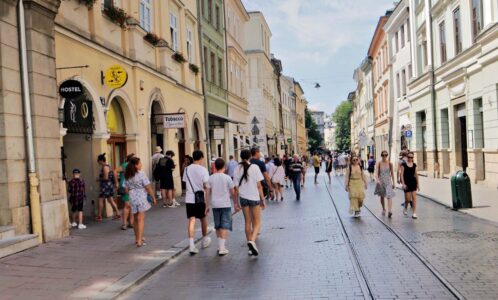

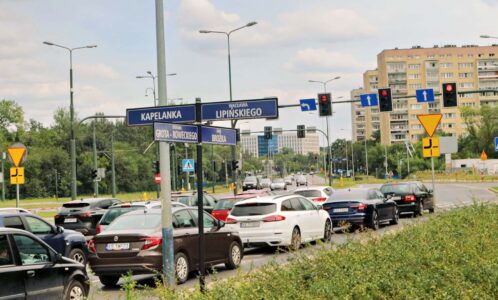

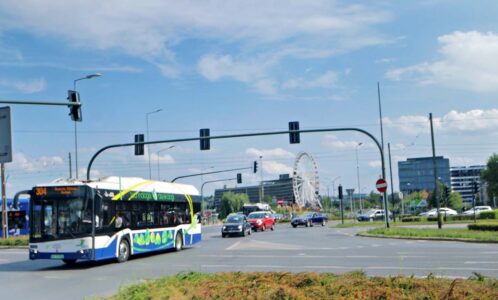
Lifestyle Comparison: Bulgaria and Poland: Prices, Housing, Transportation, and Climate
Transportation
Public transport
In Varna, Bulgaria, a single public transport ticket costs 1 lev (€0.51), and a day ticket costs 4 lev (€2.04). In Krakow, Poland, a single ticket costs 4 zloty (€0.85), a day ticket costs 10 zloty (€2.13), and a monthly pass starts at 94 zloty (€20).
Taxi
In Varna, taxi fares are 2.20 leva (€1.12) for a pickup, 1.30 leva (€0.66) per kilometer, and 0.35 leva (€0.18) per minute of waiting. In Krakow, a pickup costs 9 zloty (€1.91), and a kilometer starts at 3.50 zloty (€0.74).
Personal transport
The price of A-95 gasoline in Bulgaria is 2.57 leva (€1.31) per liter, diesel fuel is 2.55 leva (€1.30). In Poland, A-95 gasoline costs 6.43 zloty (€1.37) per liter, and diesel fuel is 6.42 zloty (€1.36). However, in Bulgaria, you also need to pay a vignette to use the roads: an annual vignette costs 91 leva (€46.48). In Poland, there is no such fee.
Prices for renting and buying housing
Renting a Home
- In Varna, renting a 25 m² studio will cost 200 euros (about 392 leva).
- In Krakow, a 20 m² studio costs 1600 zlotys (€340).
- A two-bedroom apartment in Varna (44 m²) costs 250 euros (approximately 490 leva) per month. In Krakow, rent for 31 m² costs 2,000 zlotys (€425).
- A three-room apartment (70 m²) in Varna will cost 350 euros (about 685 leva), and in Krakow (53 m²) - 2,500 zlotys (€531).
Krakow Hotels:
Buying a home
- In Varna, a two-room apartment costs from 70,000 euros (about 137,200 leva).
- In Krakow, a similar apartment would cost from 470,000 zlotys (€100,000).
Prices for food and household goods
Food products
- Fresh pork: Bulgaria — 12.99 leva (€6.63), with a discount — 8.99 leva (€4.59); Poland — 20.99 zloty (€4.47).
- Chicken: Bulgaria — 7.99 leva (€4.08), with discount — 6.99 leva (€3.57); Poland — 19.99 zloty (€4.25).
- Bread (550 g): Bulgaria – 1.35 leva (€0.69); Poland – 2.78 zloty (€0.59).
Household goods
- Colgate Total Toothpaste: Bulgaria – 5.99 BGN (€3.06); Poland – 9.99 PLN (€2.13).
- Head & Shoulders Shampoo: Bulgaria – 8.95 leva (€4.57); Poland – 15.99 zloty (€3.40).
- Ariel washing powder (70 washes): Bulgaria — 34.99 leva (€17.86), with a discount — 31.79 leva (€16.24); Poland — 84.99 zloty (€18.10).
Medicine
Healthcare is one of the key factors affecting quality of life. Bulgaria and Poland offer different conditions for residents and expats.
The Bulgarian medical system

Bulgaria has a compulsory health insurance system. Basic medical services are covered by insurance premiums, which amount to 8% of income. However, it's important to note that free healthcare here only covers basic services, so many residents prefer private clinics.
The average cost of a consultation at a private clinic is approximately 40–70 leva (€20–36). Pharmacies are widely accessible, and medication prices are lower than in most European countries. For example, a pack of paracetamol costs approximately 2 leva (€1.02).
The Polish medical system
In Poland, the healthcare system is also based on insurance. Employers pay insurance premiums for their employees, providing access to free healthcare. However, waiting lists at public clinics can be long, so private clinics remain a popular choice.
A consultation with a private dentist starts at 150 zloty (€32). Poland is renowned for its high-quality dental services: a filling costs on average 200–400 zloty (€43–85).
Education
Comparing the educational systems of Bulgaria and Poland is important for families with children and students.
Education in Bulgaria
Free school education is available in Bulgaria, including kindergartens and primary schools. Instruction is primarily in Bulgarian, but international schools operate in larger cities such as Varna and Sofia.
Tuition at international schools starts at 8,000 leva (€4,080) per year. Higher education is also affordable, and tuition at public universities for EU citizens ranges from 400–900 leva (€204–460) per year.
Education in Poland
Education in Poland is also free for citizens and residents. The country's universities, such as the Jagiellonian University in Krakow, are highly regarded. Tuition at private universities starts at 10,000 zlotys (€2,130) per year.
English- or German-language schools are common, especially in large cities. The average tuition at such schools ranges from 30,000 to 50,000 zlotys (€6,390 to €10,650) per year.
Cultural life and entertainment
The cultural life in Bulgaria and Poland is rich in events and leisure opportunities.
Culture and recreation in Bulgaria
Bulgaria is famous for its natural attractions: mountains, Black Sea beaches, and ancient monasteries. Large cities like Varna frequently host concerts, festivals, and theater performances. The average cinema ticket costs 10–15 leva (€5–7.65), while theater tickets range from 20–50 leva (€10–25.50).
Winter resorts like Bansko offer a high-quality holiday experience. Ski passes start at 70 leva (€35.70) per day.
Culture and recreation in Poland
Poland attracts visitors with its rich history and architecture. Krakow, with its old town, and Wroclaw, with its network of bridges, create a unique atmosphere. Cinema tickets cost 25 zlotys (€5.32), and theater tickets start at 50 zlotys (€10.64).
Active holidaymakers can enjoy the Polish Tatra Mountains, where ski passes start at 130 zlotys (€27.65) per day. Poland is also known for its diverse cuisine: lunch at a mid-range restaurant will cost you 40 zlotys (€8.51).
Cost of living
Understanding the cost of living helps you choose between Bulgaria and Poland.
Monthly expenses in Bulgaria
The average family of two to three people in Varna or Sofia spends approximately 1,200–1,500 leva (€613–€766), excluding rent. This includes groceries, transportation, utilities, and entertainment.
Utilities for a 70 m² apartment are approximately 150–200 leva (€76–€102) per month. High-speed internet costs 20 leva (€10.20) per month.
Monthly expenses in Poland
In Poland, expenses are higher. The average family in Krakow or Warsaw spends 3,500–4,500 zlotys (€745–€958), excluding rent.
Utilities for a similar apartment range from 800–1,000 zlotys (€170–€213). Internet costs around 70 zlotys (€15).
Economy and salaries
Economic opportunities in Bulgaria and Poland differ significantly. The average salary in Bulgaria is approximately 1,500 lev (€765) per month, while in Poland it is higher – approximately 5,000 zloty (€1,064).
However, one should also consider the price level: rent and transportation are significantly cheaper in Bulgaria. In Poland, salaries are higher, but so are everyday expenses.
Bulgaria attracts foreigners with its low tax rates. For example, income tax is only 10% (+5% on dividends), making it attractive to small businesses and freelancers. Poland, meanwhile, offers a more developed labor market and opportunities to work for large international companies.
Ecology and climate
Climate and environmental conditions play an important role when choosing a place to live.
Ecology in Bulgaria
Bulgaria offers a diverse range of natural environments, from the sea coast to mountainous terrain. However, in large cities like Sofia, air pollution can be high in winter due to coal heating. Varna and Burgas, located on the coast, have a more favorable environmental background.
Ecology in Poland
Poland is actively combating air pollution, especially in winter. High levels of smog are often recorded in Krakow. However, the country places great emphasis on green spaces, forests, and lakes, which create favorable conditions for outdoor recreation.
Technological infrastructure
Modern infrastructure is an important aspect of comfortable living in both countries.
Technology in Bulgaria
Bulgaria is actively developing its IT sector and offers excellent conditions for remote work. Internet access here is among the fastest in Europe. Average connection speeds are around 100 Mbps, and a service package costs 20–30 leva (€10–€15.30) per month.
Technology in Poland
Poland is also emphasizing digitalization. Internet access is available everywhere, including in small villages. Average speed is around 80 Mbps, and it costs 50–70 zlotys (€11–€15) per month. Warsaw and Krakow are actively implementing smart city technologies.
Social life and community
Bulgaria
Bulgaria attracts visitors with its warm climate and friendly atmosphere. Locals are open to communication, and stress levels in the cities are lower than in more industrialized countries.
Poland
Poland is renowned for its history and traditions. People value family, and cultural events provide opportunities to meet new people.
Results: Which to choose – Bulgaria or Poland?
Choosing between Bulgaria and Poland depends on your priorities and lifestyle. Both countries offer unique advantages and are attractive to those looking to relocate or expand their horizons.
Why choose Bulgaria?
- Low cost of living: Food, housing and transportation are significantly cheaper than in Poland.
- Mild climate: Warm winters and hot summers near the Black Sea.
- Low taxes: Income tax is only 10%.
- Affordable Housing: Both renting and buying will be cheaper.
- Convenient location for relaxation: proximity to beaches and mountain resorts.
Why choose Poland?
- High salaries: The average salary is higher than in Bulgaria.
- Developed infrastructure: convenient transportation, modern schools and hospitals.
- Great career opportunities: especially in large cities such as Warsaw, Krakow and Wroclaw.
- Access to European markets: Poland is located in central Europe, which makes it convenient for business.
- Developed society: high standard of living and developed social system.
Practical advice
- Choose a country depending on your priorities: If low costs and a mild climate are important, choose Bulgaria; if high salaries and career opportunities are important, choose Poland.
- Learn the language: Knowing Bulgarian or Polish will make your life much easier and increase your chances of finding a job.
- Explore the real estate market: In both countries, it is more profitable to buy housing in less touristy areas.
- Compare taxes: If you are planning to open a business, pay attention to tax rates.
- Prepare for your move: Consider the costs of transportation, documents, and adaptation to a new culture.
Your next step
If you're still unsure which country is best for you, try vacationing in each one to get a feel for the local atmosphere. Pay attention to the locals, the quality of service, and the overall infrastructure. Ultimately, what matters most is what's right for you and your family.
Video version of the article:




 Русский
  English
  Български
  Deutsch
  Română
  Українська
  Polski